24/7 emergency restoration for Eugene, Springfield, and surrounding communities
CCB #210329 info@brinkersllc.com 541-337-7501
CCB #210329 info@brinkersllc.com 541-337-7501
Water removal and structural drying
Removing visible water is one part of restoring a property. Moisture in affected materials can require a separate drying plan. Brinker’s provides water mitigation and restoration for homes and small businesses, helping you understand the work from the initial assessment through the next repair decision.
Drying equipment on a Brinker’s restoration project.
What this service addresses
Extraction addresses water that needs to be removed from the affected area. The work depends on where the water reached, the materials involved and what the assessment finds. A small visible area does not, by itself, describe the whole loss.
Drying focuses on affected building materials after water removal. Equipment and monitoring support that work. The drying plan and the repair plan are connected, but they are not interchangeable: a material may need a repair decision even after mitigation work has progressed. For the wider sequence, see the Full water restoration process.
Planning the work
Water may affect more than the room where it was first noticed. Share the rooms, surfaces or changes you have observed. Brinker’s assesses the affected areas and helps establish the restoration scope; you do not need to map hidden damage before contacting us.
Flooring, wall materials and other finishes can create different restoration and repair decisions. Access to affected areas also matters. Brinker’s explains the proposed work and helps distinguish mitigation needs from later replacement or finishing work.
Tell us if the loss may involve sewage or an unknown source. That information helps start the right conversation; it is not a diagnosis you must make. See Sewage cleanup when a backup may be involved. Resolving a plumbing or other source problem is separate from restoring the affected property; ask us how that boundary affects the proposed scope.
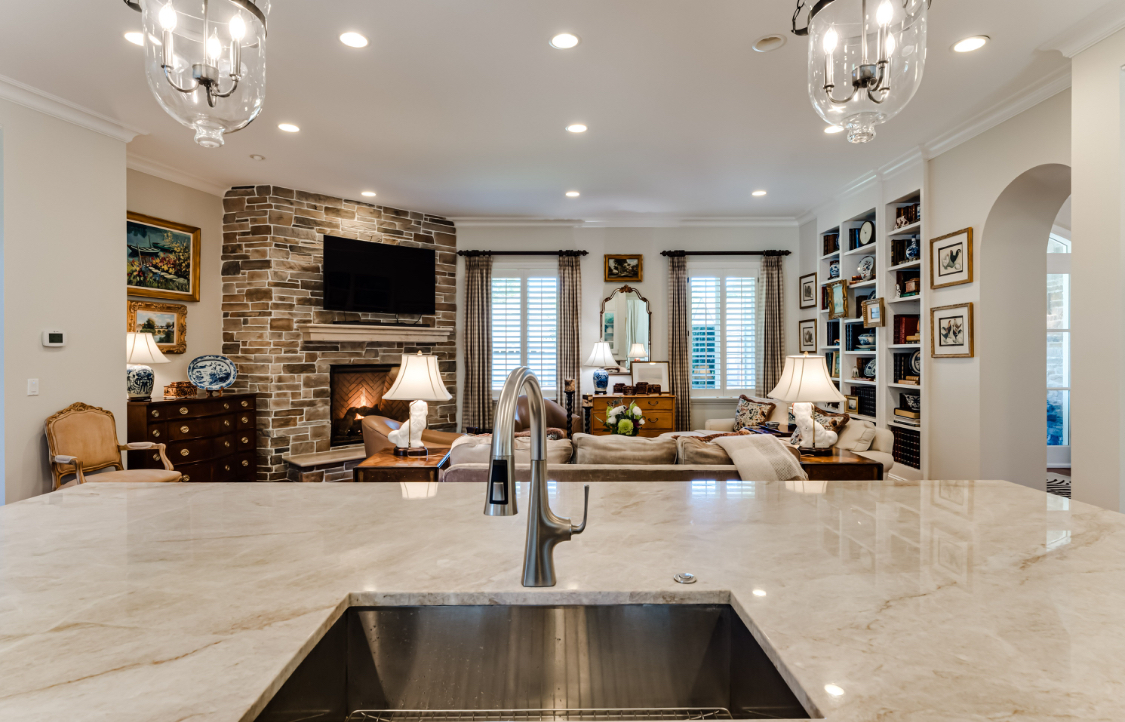
Completed interior project by Brinker’s.
After mitigation
The next decision is what the property needs to become usable again. Repairs may include affected walls, flooring or finishes, depending on the assessed condition and agreed scope. Brinker’s provides Water-damage rebuilding, so mitigation and reconstruction can be discussed together without treating them as the same task.
If another company has already removed water or placed equipment, tell us what was done and share any available records. Brinker’s can discuss the remaining restoration needs based on the current property condition. You do not need to decide whether the earlier work is complete before making contact.
If a mold concern remains after a water loss, Brinker’s can assess the remediation and related repair needs. Our restoration and general-contracting services connect cleanup with the building work that follows. Contact Brinker’s about remediation or explore our mold remediation service.
Willamette Valley coverage
Brinker’s serves the Willamette Valley, including Lane, Linn and Benton counties. Share your property location so we can confirm service availability and discuss the restoration needs.
Before work begins
The visible area alone does not establish the drying or repair schedule. The materials, extent of the loss and work identified during assessment affect the plan. Our Restoration planning guide explains why drying and rebuilding should be discussed as separate stages.
No. Tell us what you have noticed and the questions you have. Brinker’s helps assess the affected property and explain the proposed restoration and repair scope.